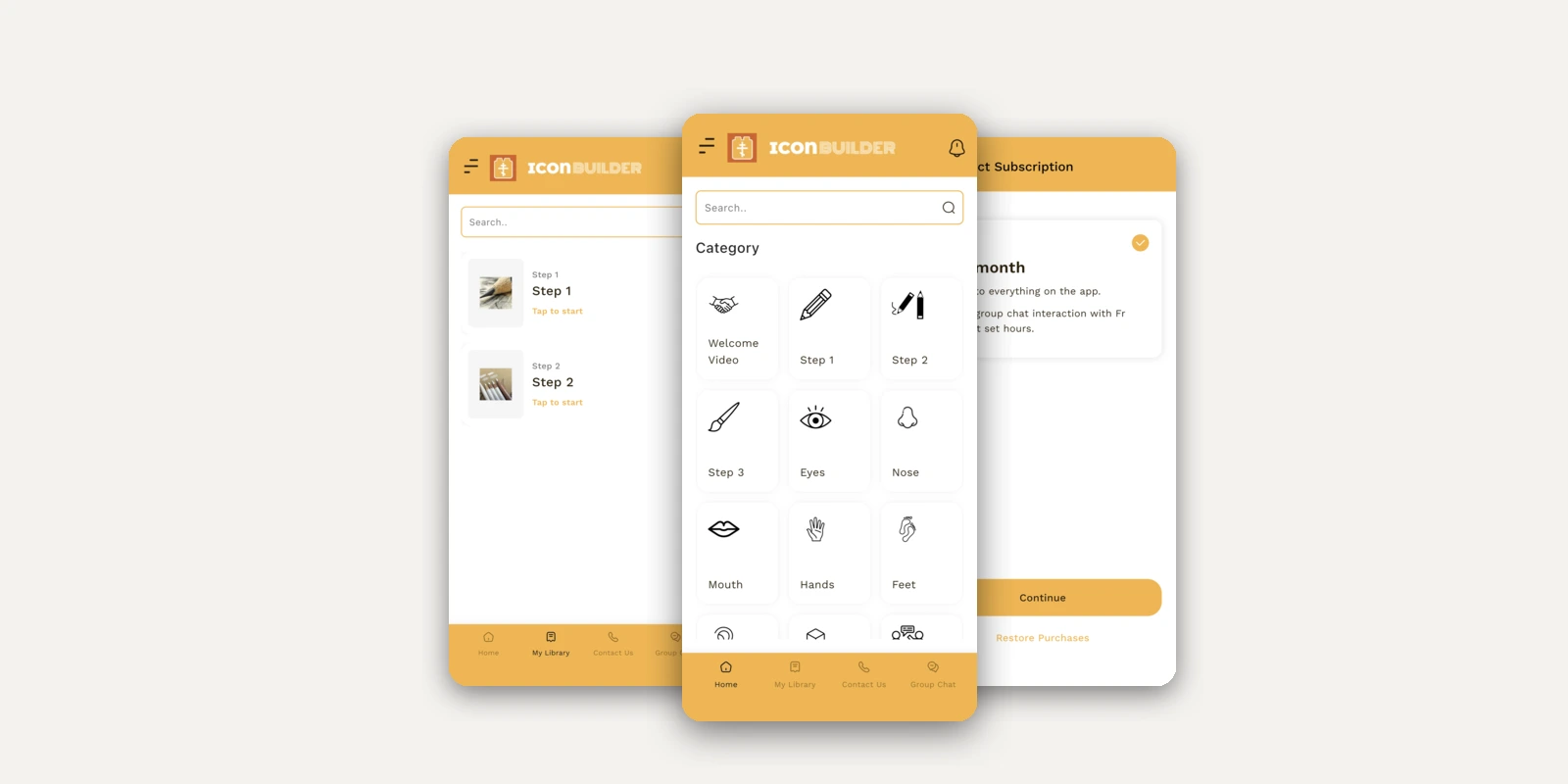
Some examples of our previous work and customers.
React Native excels at enterprise system integration, supporting any API or protocol your business uses. Whether REST APIs, GraphQL, SOAP services, or custom protocols, React Native handles them all. The JavaScript Interface (JSI) enables direct binding to C++ libraries for high-performance integrations, including on-device ML models.
Integration capabilities include OAuth/SAML authentication for enterprise SSO, real-time data synchronisation via WebSockets, message queue integration (RabbitMQ, Kafka), database connectivity, TurboModules for custom native SDK integration, and on-device AI via LiteRT (formerly TensorFlow Lite) bindings. React Native's native module system ensures even the most complex integrations are possible with native performance.
For each integration we provide secure API gateway implementation using TanStack Query for caching and deduplication, data transformation and mapping, error handling and retry logic, offline queue using MMKV for resilient operation, and integration testing. The app works with the systems you already run.
Quality is embedded throughout our React Native development process through testing and code review at every stage. We implement multiple testing layers: unit tests on core logic, integration tests validating component interactions, E2E tests using Detox simulating real user journeys, Flashlight for performance regression testing in CI, and security testing identifying vulnerabilities.
Our quality assurance process includes code reviews for every pull request, EAS Build pipelines catching issues early, regular performance profiling using React Native DevTools, accessibility testing ensuring WCAG 2.1/2.2 compliance with react-native-ama, cross-device testing on real phones, and beta testing with real users before launch via TestFlight and Google Play beta tracks. This multi-layered approach catches issues before they impact users.
You see the app on your own phone every two weeks through TestFlight or Firebase App Distribution, and once it's live, App Care tracks the crash-free rate in a monthly health report.
Every new build starts with a fixed-price App Gameplan, so you know the scope and cost before you commit. You'll work with a UK team in your time zone over a shared Slack channel, with a test build on your phone every two weeks, and after launch App Care plans (from £675 a month) keep the app working through each iOS and Android release.
Because we build in React Native, Flutter and native Swift and Kotlin (50+ apps since 2017), we'll tell you when React Native isn't the right choice.
Yes. React Native apps can work fully offline and sync when the connection returns. MMKV, SQLite and Realm store the data on the device. Apps can cache data locally, queue actions for later synchronisation, and provide full functionality without internet connection.
Offline capabilities include local database storage with SQLite or Realm, intelligent sync when connection restored, conflict resolution for concurrent updates, background sync for large data sets, and offline-first architecture ensuring reliability. That suits field teams, travelling sales staff and anyone who works where the signal drops.
We design the offline strategy around how your users actually work. That includes deciding with you what happens when two people edit the same record while offline.
Yes, React Native supports gradual migration strategies that allow you to transition from native to React Native without disrupting users. The "brownfield" approach lets you integrate React Native screens into existing native apps, enabling piece-by-piece migration while maintaining app stability. Expo documents two ways to add React Native to an existing native app, and its support for using Expo modules inside one is in alpha.
Our migration order is: audit dependencies for New Architecture compatibility, replace or rewrite any native modules that haven't been updated for TurboModules and Fabric, then upgrade to a current React Native release. Since React Native 0.82 the old architecture can't be switched back on, so modules that were never updated have to be replaced or rewritten. Google Play's 16 KB page size rule adds a deadline: React Native supports 16 KB pages from 0.77, and from 1 February 2027 Google Play won't accept updates to apps targeting Android 15 or later that don't support them.
We plan migrations so the app keeps shipping to the stores while screens move across, and users keep their data. The App Gameplan sets out the order, the timeline and the cost before any work starts.
Yes, React Native provides full access to all device capabilities including camera, GPS, accelerometer, biometric authentication, Bluetooth, NFC, and more. Through native modules and extensive third-party libraries, your app can utilise any feature available to native applications. Maintained libraries such as react-native-vision-camera cover most needs.
When standard libraries don't meet specific requirements, React Native's native module system allows custom integration with any platform-specific SDK or API.
Performance for device features matches native applications. Camera processing, real-time location tracking, and sensor data collection operate at native speeds.
You can contact us via email at hello@foresightmobile.com or visit our offices in Manchester, Birmingham, or London. For more details, please visit our Contact Us page.
If you have any other questions or need further information, please feel free to reach out to us.
We have experience working across various sectors, including AI/ML applications, fintech, gaming, construction, education, healthcare, fitness, property, retail, and sustainable technology, tailoring our solutions to meet the unique needs of each industry while ensuring compliance with sector-specific regulations like Open Banking (fintech) and HIPAA (healthcare).
Yes, we offer post-launch support and maintenance services to ensure your app remains up-to-date, secure, and continues to meet user needs effectively.
For more detailed information on our services and how we can assist you, please visit our Projects page.
We adhere to a rigorous quality assurance process, including AI-powered automated testing, comprehensive test coverage across devices, and continuous integration pipelines. Our QA process includes performance profiling, security penetration testing, accessibility compliance (WCAG 2.2), and real-device testing on our device lab to ensure each app meets the highest standards of performance, security, and user experience.