LPC Law needed to modernise communication with 150+ advocates attending 300 court hearings daily. Foresight Mobile delivered a Flutter app with push notifications, read receipts, and secure document access that transformed their operations.
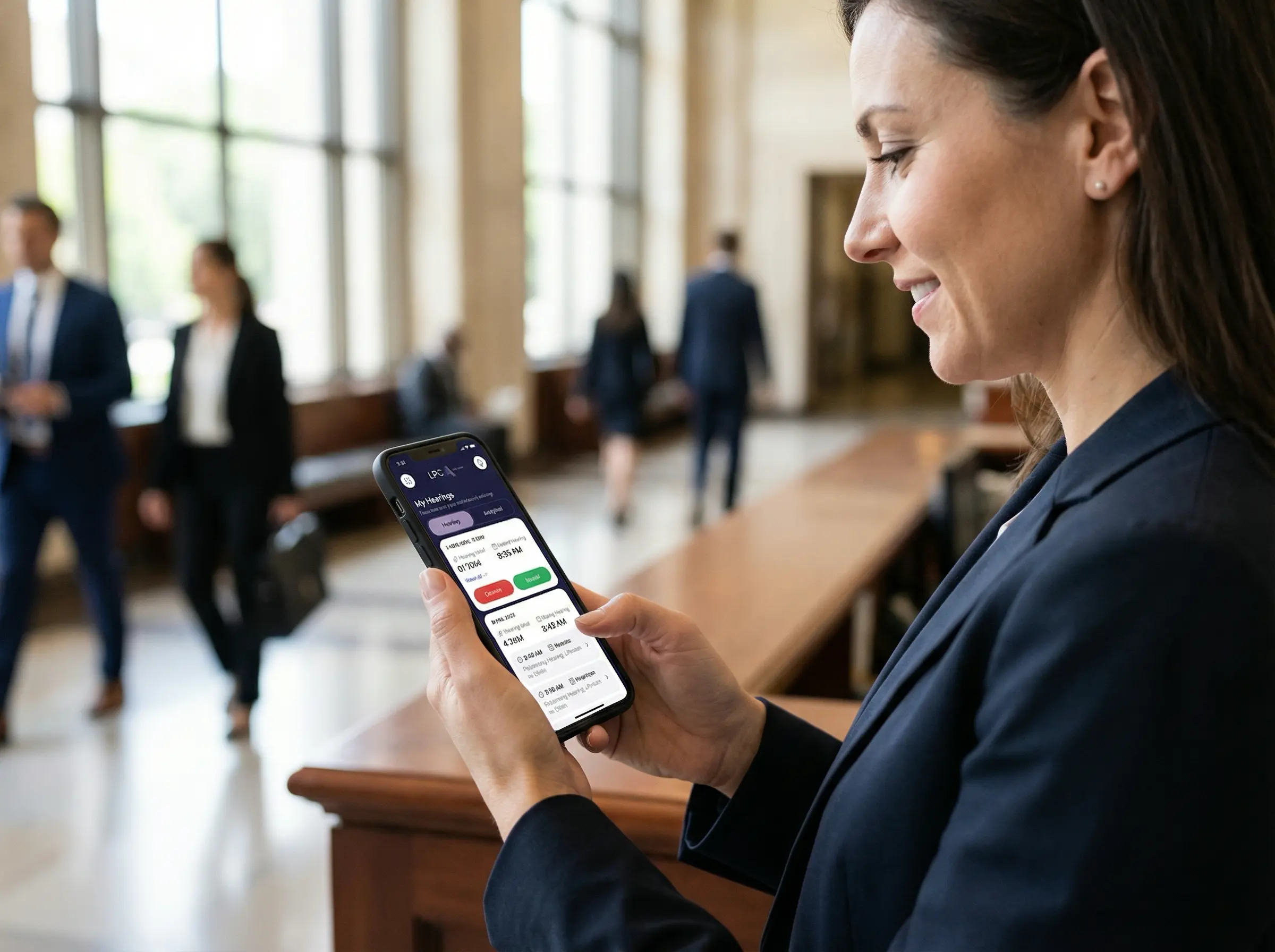
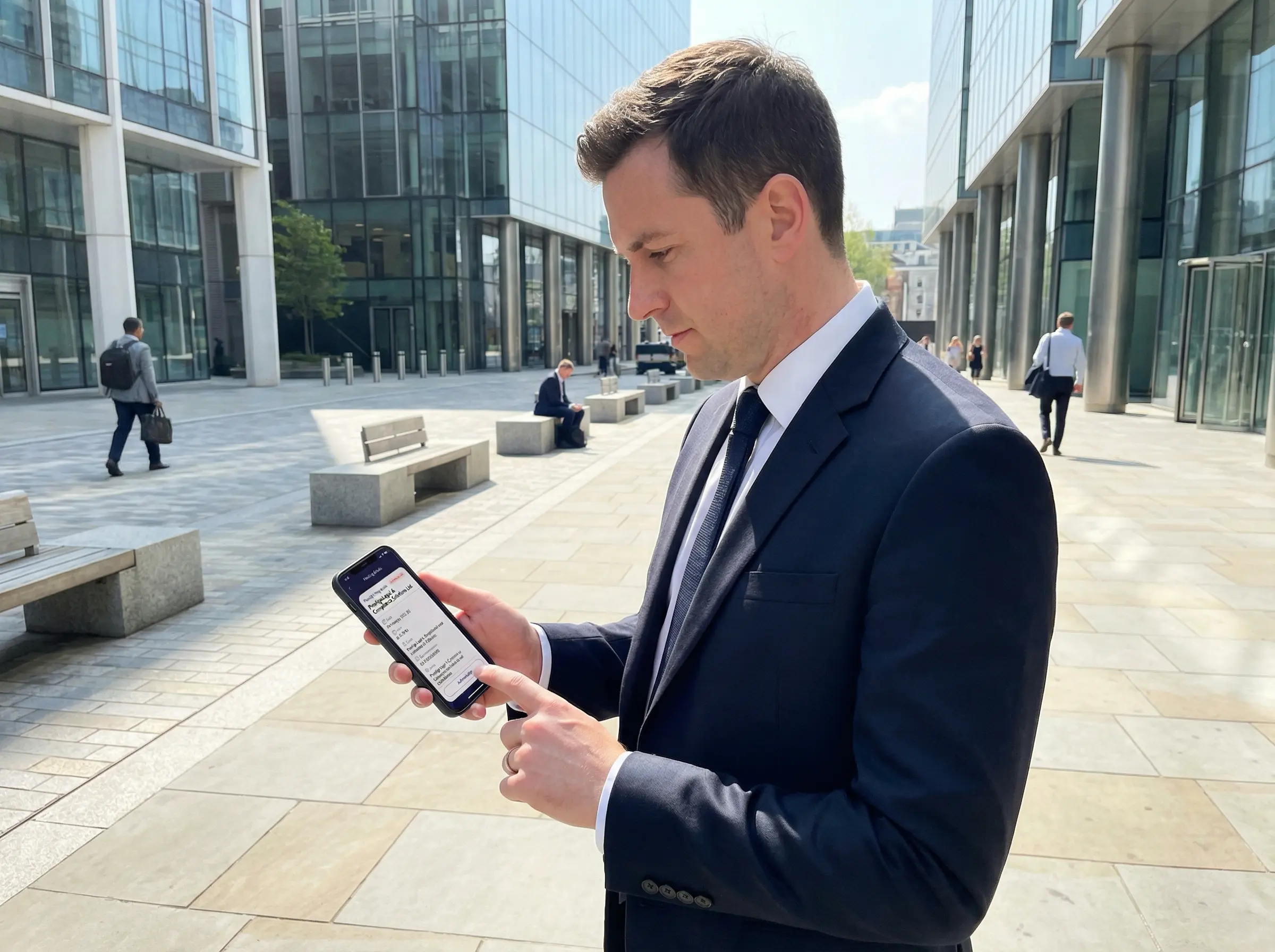

This project began with our structured App Gameplan discovery process, giving LPC Law clarity on technical requirements, integration complexity, and development costs before committing to the full build.
LPC Law is the UK's leading advocacy agency, coordinating approximately 150 self-employed barristers who attend around 300 court hearings every day. Their advocates work in the field, travelling between courts, often with minutes between hearings. The existing mobile website was functional but dated.
"That's absolutely my driver behind it... we're trying to cut down the amount of time we're taking in the office here with people emailing, texting and finding out, just to get confirmed they've seen something." - Simon Pearson, IT Director, LPC Law
Administrative staff spent considerable time chasing advocates to confirm they had received and acknowledged booking updates. LPC Law needed a modern mobile application that could deliver real-time push notifications, confirm message delivery, and provide secure access to sensitive legal documents.
Foresight Mobile built a Flutter app that connects advocates to their bookings, court information, and case documents instantly. The app replaced manual confirmation processes with automated read receipts, giving the office immediate visibility into who has seen critical updates.
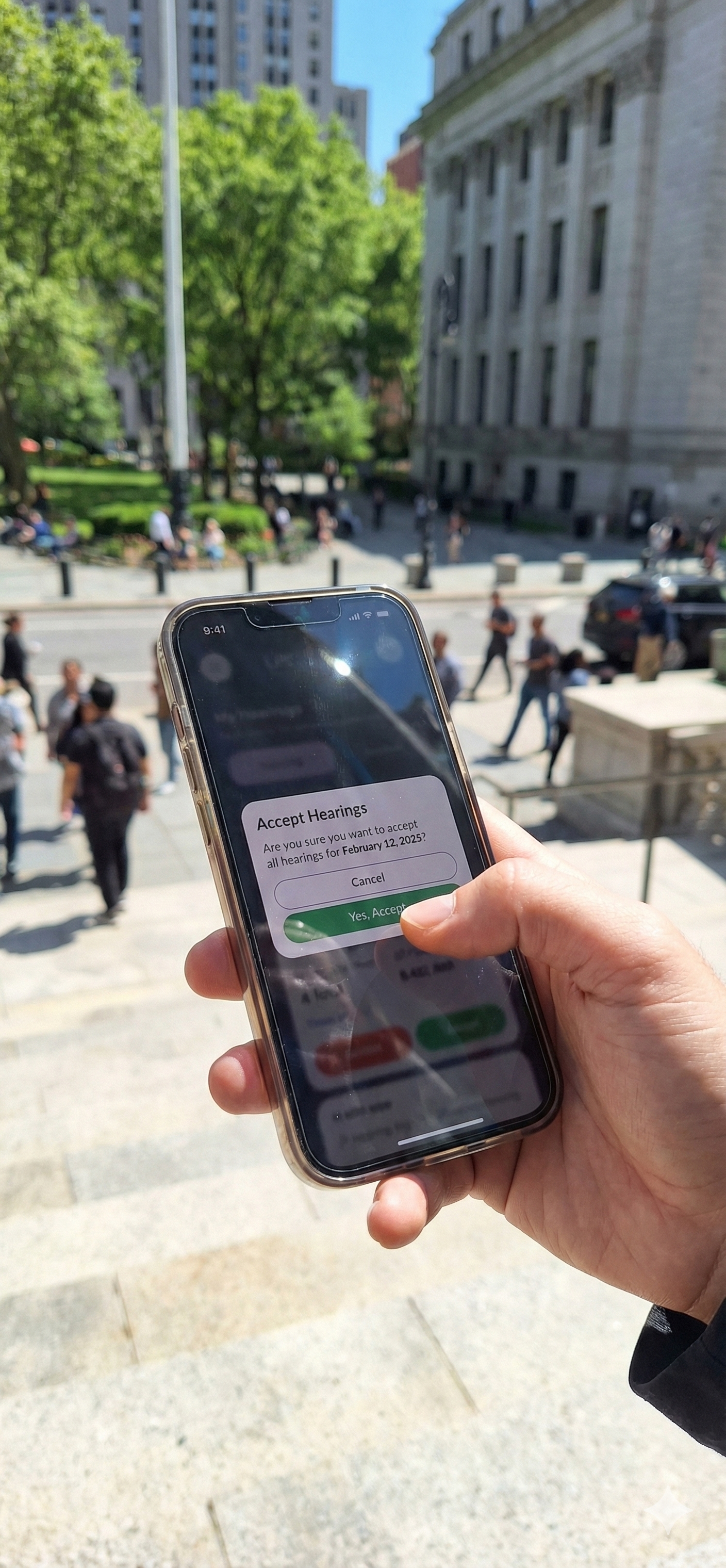
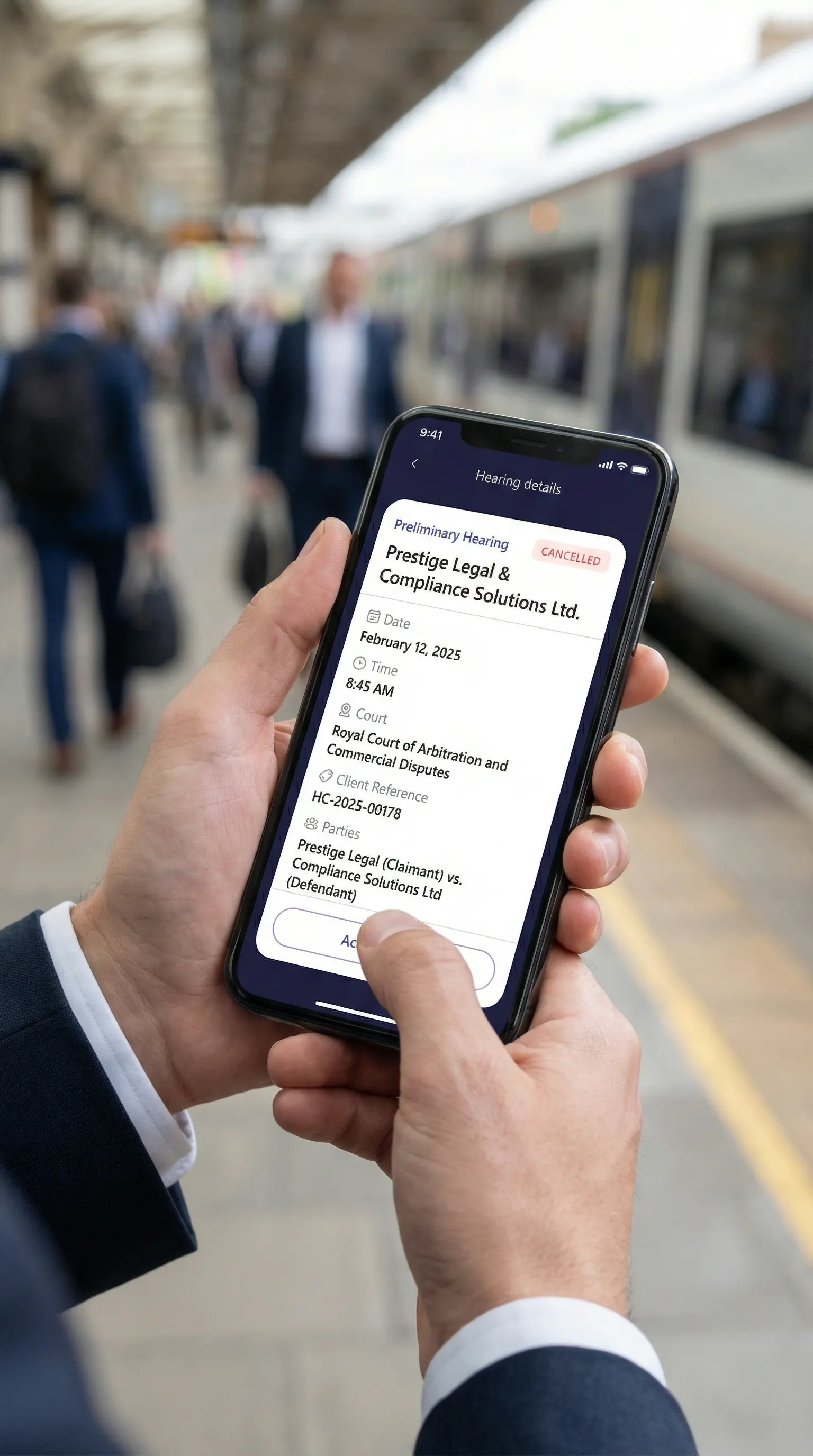
A significant technical challenge was integrating with LPC Law's existing VB.NET backend infrastructure. Rather than demanding a complete system rebuild, we needed to adapt our modern Flutter development approach to work with established systems. This required close collaboration with LPC's in-house developers.
The backend API was being developed alongside the mobile app. We couldn't simply receive a finished specification. The teams had to work in parallel, with both sides learning and adapting as the project progressed.
A distinctive aspect of this project was our hands-on guidance throughout the API development process. Dave was experienced with LPC's existing systems but less familiar with modern API documentation standards for mobile app integration.
We guided LPC's developers through implementing Swagger documentation for all API endpoints. Our developer Marko worked closely with him, testing all API calls against the Swagger documentation and providing feedback on JSON formatting and response structures.
This collaborative approach meant issues were identified early through systematic API testing. The teams used shared documentation as a single source of truth, with LPC adjusting API responses based on feedback about mobile-optimised JSON formatting.
When implementing push notifications, we provided comprehensive technical guidance on Firebase integration. This included Firebase Admin SDK authentication using JSON credentials, device token management and storage strategies, deep linking for push notifications that open specific documents, and deliverability callback APIs so LPC could track notification success rates.
We adapted to LPC's existing VB.NET infrastructure rather than insisting on a modern stack. LPC's existing API endpoints were incorporated directly. When connectivity issues arose, our teams worked hand-in-hand to identify firewall whitelisting requirements. A shared Slack channel enabled real-time technical discussions between developers.
For a law firm handling sensitive legal documents, security was paramount. We implemented secure PDF downloads that delete from temporary storage when the app closes. The team had thoughtful discussions about encryption layers, ultimately determining the right balance between security and usability while matching or exceeding the security of LPC's existing mobile website.
Getting an app through Apple's App Store and Google Play review processes can be difficult for organisations unfamiliar with the requirements. We provided hands-on support throughout, walking Simon and the team through Apple App Store Connect and Google Play Console, addressing privacy questionnaires and data collection declarations, preparing marketing materials and app store listings, and explaining what to expect during the review process.
Within weeks of launch, approximately 170 advocates were actively using the app. The adoption rate exceeded expectations.
"We were pleasantly surprised at the adoption rate."
Simon Pearson, IT Director, LPC Law
Feedback from advocates in the field confirmed the app was achieving its goals.
"The feedback I've had has been great. Everyone thinks it's so much better and easier." - Simon Pearson, IT Director, LPC Law
The push notification and read receipt functionality directly addressed the original business driver. Administrative staff no longer spend hours chasing advocates to confirm they have seen updates. The app provides the visibility LPC Law needed to operate more efficiently.
We invested in helping LPC Law's developer understand modern API documentation standards, Firebase integration patterns, and mobile development best practices. The GitHub repository was transferred to LPC's organisation, ensuring they retain full ownership and control.
Following successful delivery, the project transitioned into an ongoing support and maintenance retainer. This ensures the app stays current with iOS and Android updates, continues to receive security patches, and can evolve with LPC Law's business needs.
"Obviously we had hiccups along the way, but I thought all of you guys worked really well. Marko and everyone... It's all positive." - Simon Pearson, IT Director, LPC Law
If your organisation needs a mobile app that integrates with existing backend systems while delivering real-time communication to field workers, get in touch. We specialise in turning complex integration requirements into practical mobile solutions.



The app has genuinely changed how our advocates work in the field. Having real-time case updates and court hearing information at their fingertips has made an enormous difference to how efficiently they can manage their caseload.
“They’re more thoughtful than any other development team I’ve worked with..... I’m not sure what they could improve."

"The team has delivered exactly what we asked for but is able to use their own skill and judgment to make improvements"

"Foresight Mobile effectively and promptly met our needs. They were a candid, reliable, and collaborative partner."





.jpeg)


